




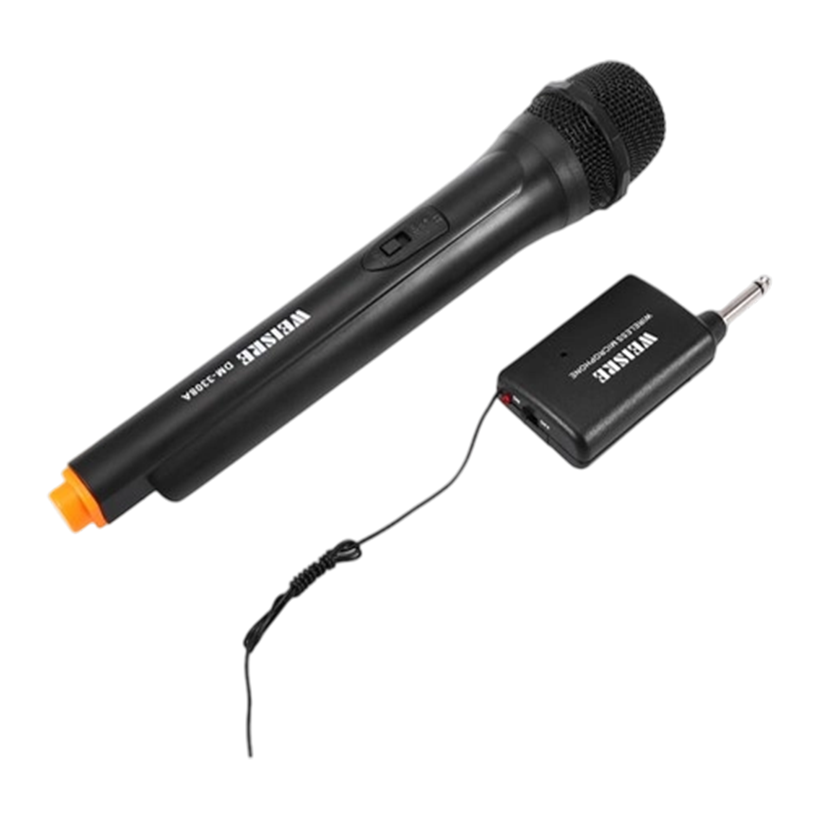
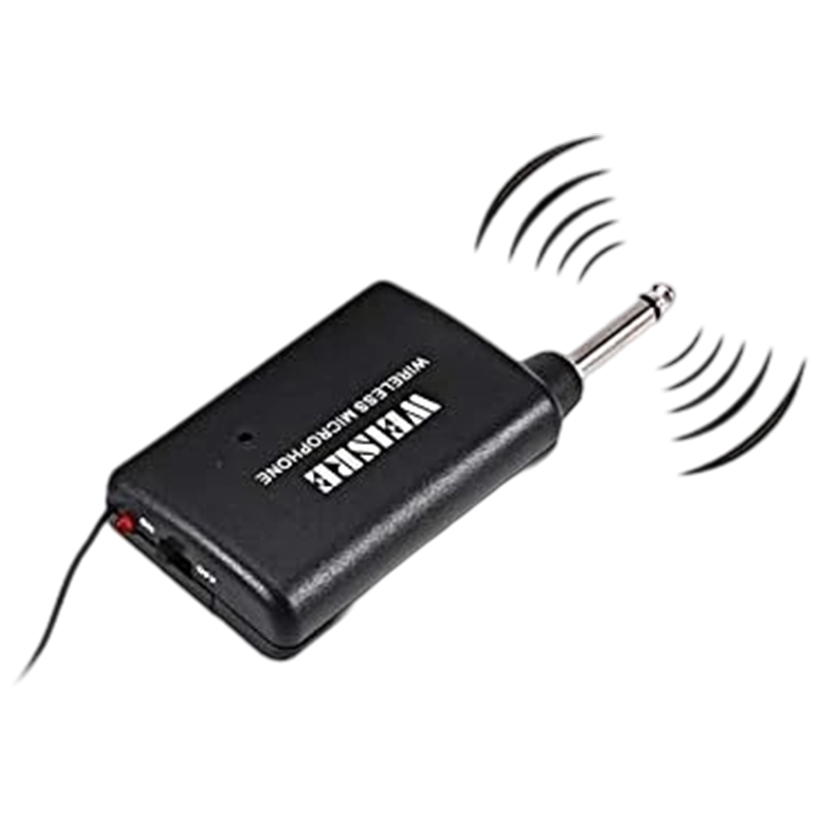
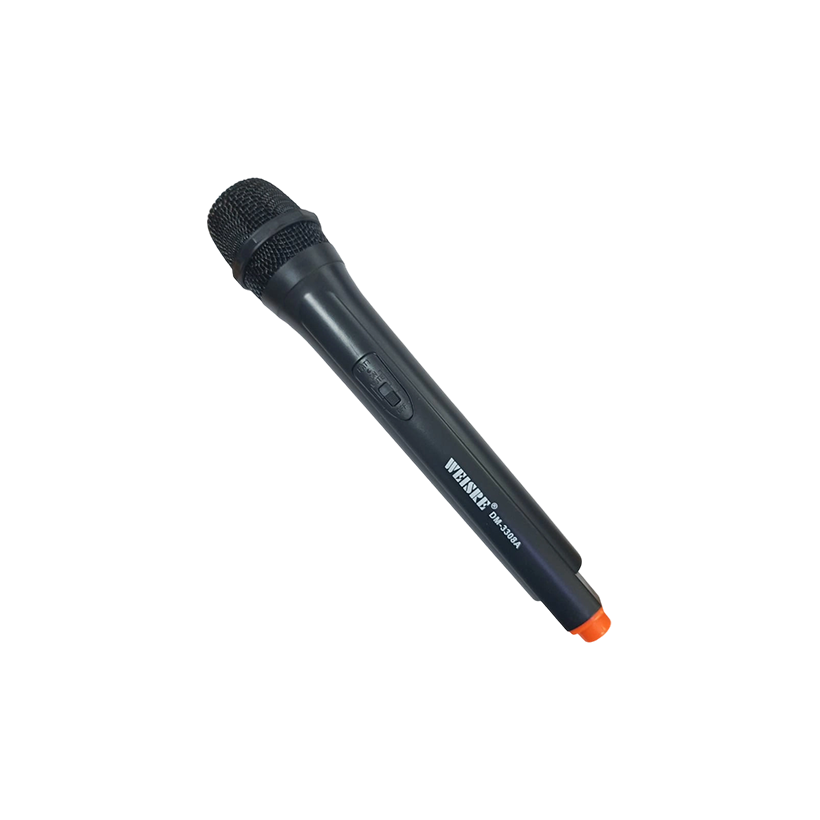
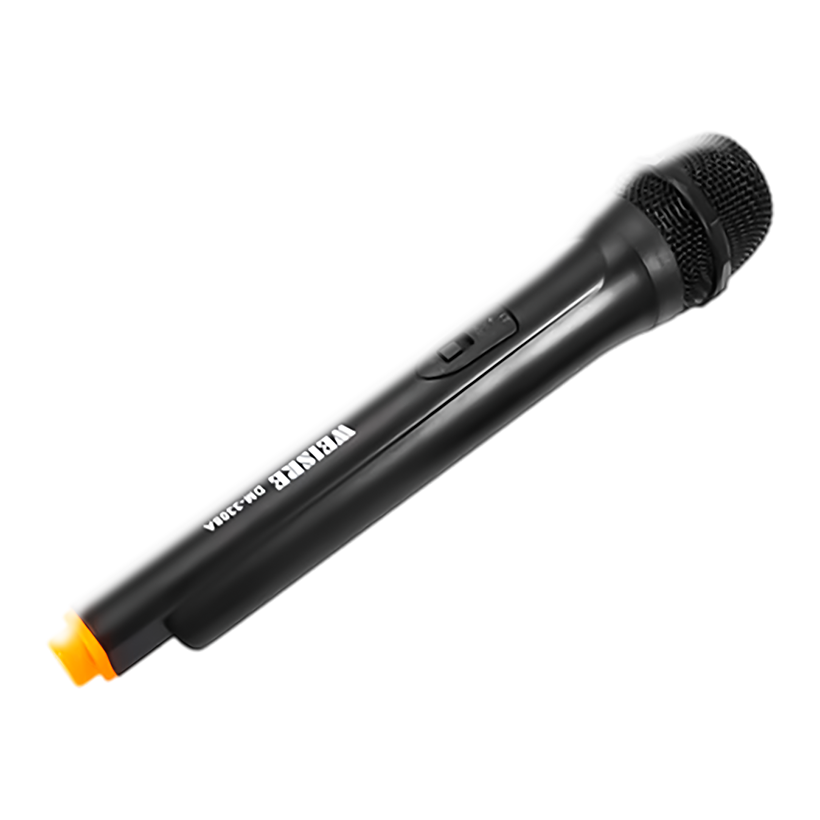
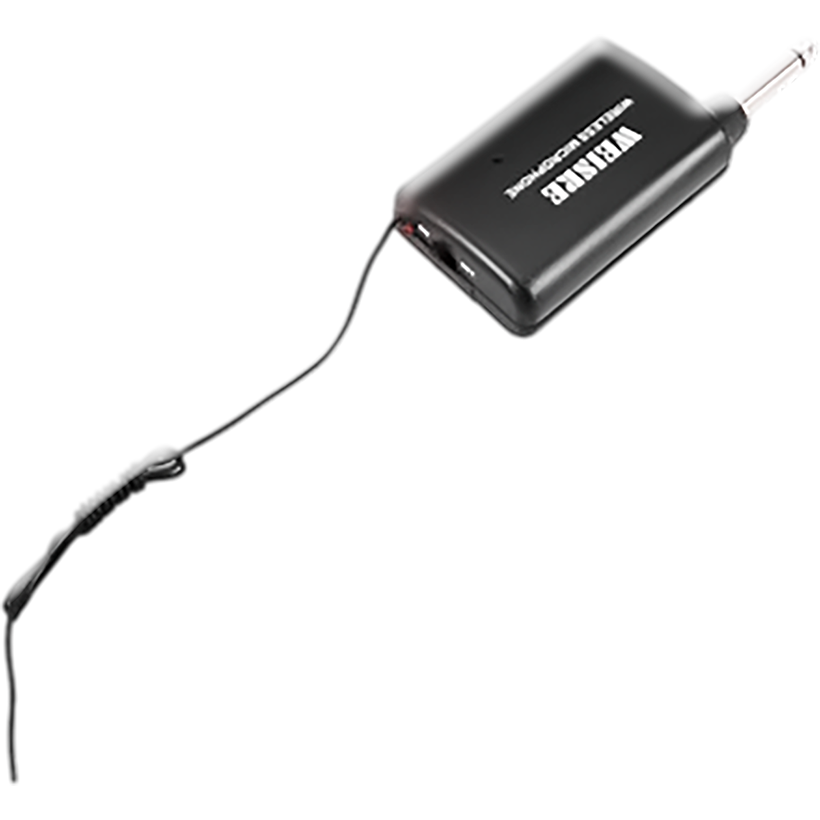
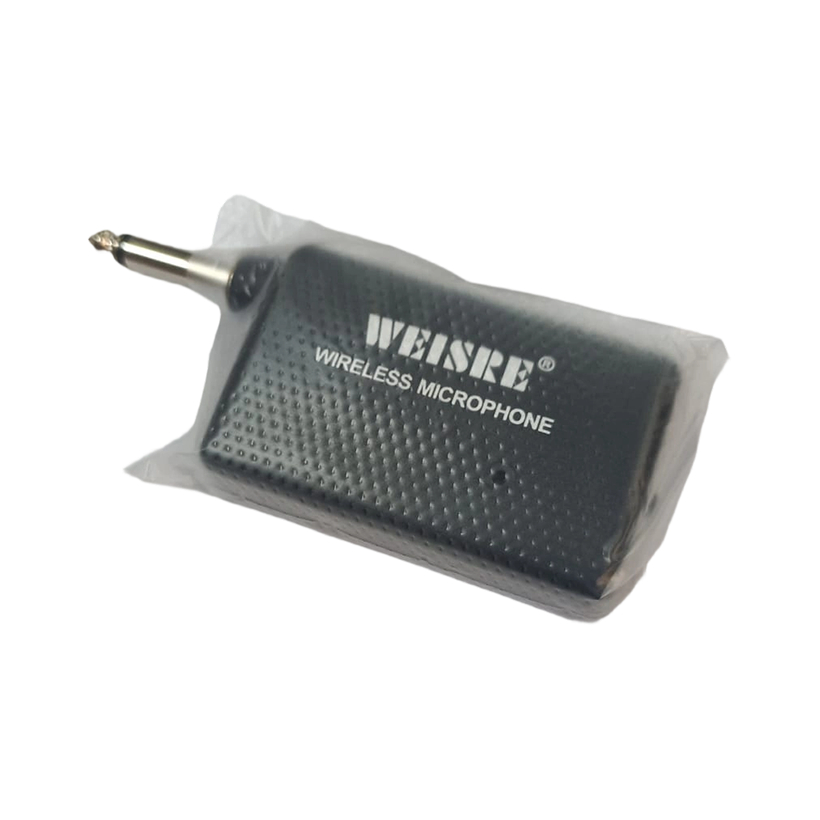
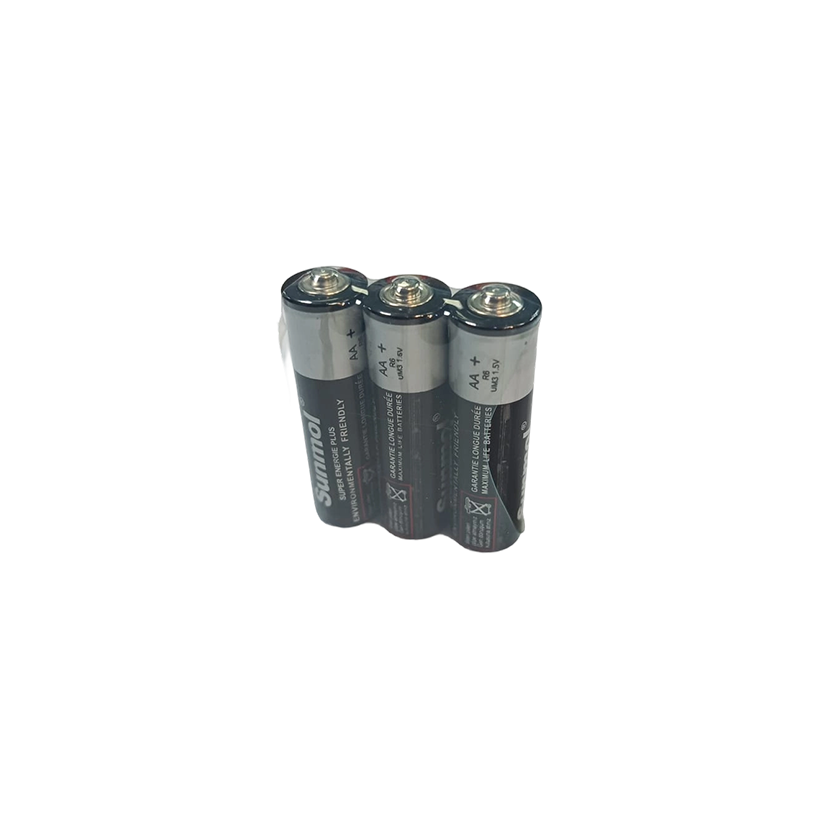
WEISRE DM-3308A is a 2.4 GHz wireless microphone system designed for reliable short-range audio transmission. Featuring a stable 2401–2483 MHz operating frequency, 25 mW RF output power, FM modulation, and a convenient single-AA battery design, it offers portable and dependable wireless performance for compatible audio applications.
Specifications
RF & Frequency
- Frequency Range: 2401–2483 MHz
- Operating Band: 2.4 GHz ISM band
- Frequency Stability: ±10 PPM
- RF Output Power: 25 mW
- Harmonic Suppression: >65 dB
Modulation
- Modulation Method: FM (Frequency Modulation)
- Designed for clear and stable voice transmission
- Provides good resistance to noise and interference
Wireless Performance
- Typical Indoor Range: Approximately 10–30 m
- Line-of-Sight Range: Approximately 30–50 m
- Actual range may vary depending on obstacles and interference
Power
- Operating Voltage: 1.5 V
- Battery: 1 × AA battery
- Working Current: 100 mA
- Portable, battery-powered operation